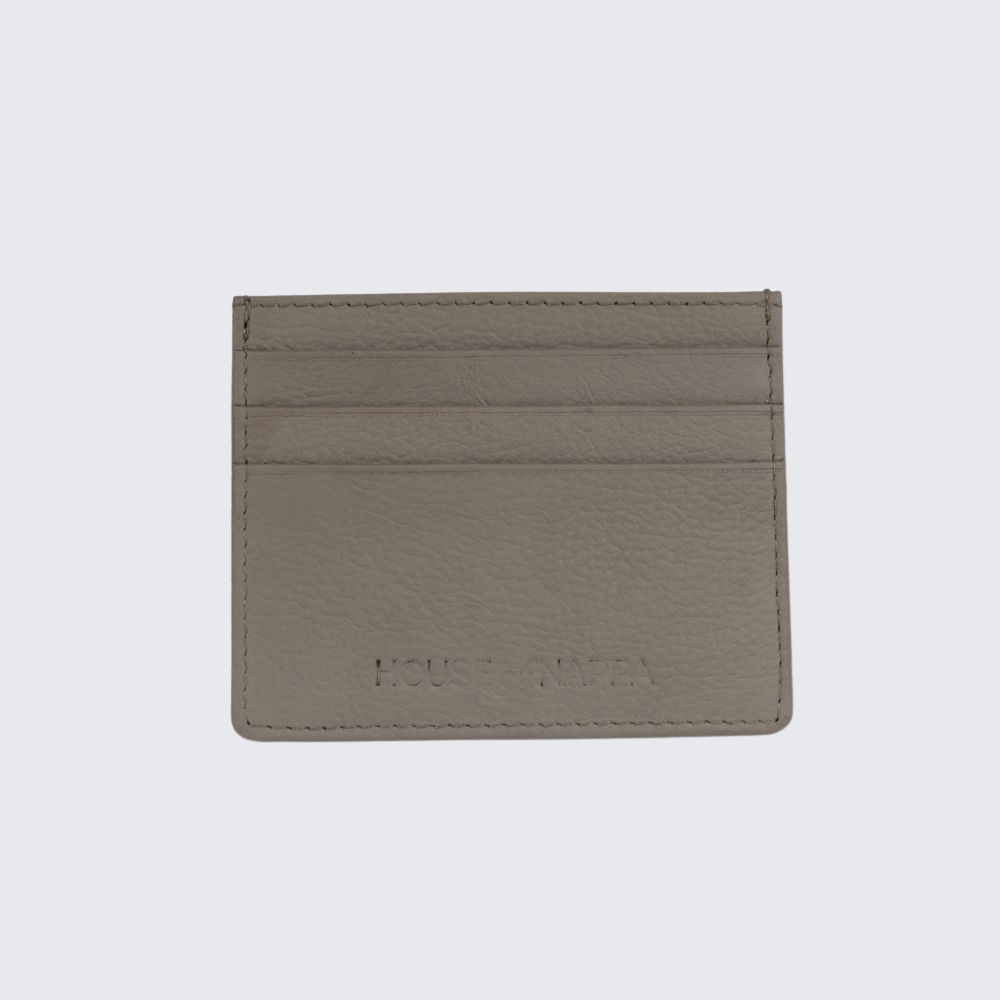
How to Take Care of Leather Wallets to Make Them Last for Years
Leather wallets are not merely functional accessories; they are personal items that age alongside their owners. A well-made leather wallet develops character over time, softening, darkening, and forming a patina that reflects daily use. However, this longevity is not automatic. Leather is a natural material from animals and has different textures and thicknesses, so even premium wallets fade, cracks and lose edges more quickly than expected.
Understanding how to care for leather goods that require occasional treatment, you can treat them at home with minimal cleaning treatment. The process of treatment involves knowing the type of leather, how environmental factors affect it, and how day to day habit influence its lifespan. This guide explains, in practical and experience-driven terms, how to preserve the quality, appearance and usability of leather wallets for years,
Understanding Leather as a Living Material
Leather is fundamentally different from synthetic materials. It is made from animal hide, which retains natural fibers even after tanning. These fibers respond to moisture, heat, friction, and oils from human skin. This responsiveness is what gives leather its warmth and individuality, but it also makes it vulnerable to neglect.
A leather accessory carried every day is exposed to constant handling, pressure from cards and cash, body heat, and environmental elements such as humidity, cold, and dust. Over time, these factors can affect the texture of leather, stretch it unevenly, or weaken it. Proper care aims to maintain the balance of moisture and flexibility within the leather fiber.
Types of Leather Used in Wallets and Why Care Differs
Not all leather wallets are the same, so the way you care for them should depend on the type of leather they are made of.
People think full-grain leather is the best kind. Over time, it develops a rich patina and keeps the natural grain of the hide. It is strong, but it still needs to be conditioned to keep it from drying out. Top-grain leather has some flaws fixed so that it looks more even. It is easier to take care of, but it can lose its finish if it is in rough conditions.
Real leather comes from the lower layers of the hide and often has coatings on the surface. These wallets cost less but don't last as long, so it's important to handle them carefully and keep them away from moisture. Crocodile and ostrich leather, for example, needs special care because its textures and oil needs are very different from those of regular cowhide.
Knowing what kind of leather your wallet is made of lets you choose the right cleaning methods and products, which will keep it from getting damaged by the wrong ones.
Daily Habits That Influence Wallet Longevity
Small, everyday choices are the first step in long-term care. Overstuffing is one of the most common ways to damage a wallet. Too many cards and folded cash put a lot of stress on seams and stretch the leather beyond what it can handle. This makes the pockets misshapen and the stitching weaker over time.
People also forget to put their wallet away during the day. When you sit with a wallet in your back pocket, your body weight and friction wear it out faster and make creases that aren't even. Carrying it in your front pocket or using a slim wallet design puts less pressure on it and helps it keep its shape.
Another important factor is how much moisture is present. Leather fibres can be damaged by sweat, rain, and spills. While short contact is usually fine, repeated exposure without drying and conditioning can make things stiff and change their colour. Being aware of these daily interactions can greatly extend the life of a leather wallet.
Proper Cleaning Techniques for Leather Wallets
Don't clean your leather wallet too often. If you clean too much, you can get rid of the oils that are already there. If you don't clean it well enough, dirt can get stuck in the grain.
You can get rid of dust and other loose debris by regularly cleaning the surface with a soft, dry cloth. You can use a cloth that is a little damp to clean more thoroughly, but it should never be completely wet. Instead of scrubbing hard, the motion should be light and follow the grain of the leather.
If you choose the right one, commercial leather cleaners can work well. You can clean leather without hurting the fibres with things that are made just for leather. Before using any cleaner on the whole wallet, you should always try it on a small area first. You should stay away from alcohol-based solutions, wet wipes, and household cleaners because they can hurt you for good.
Conditioning leather to keep it from drying out and cracking
Conditioning is one of the most important parts of taking care of a leather wallet, but it is also one of the most often forgotten. Leather naturally loses oils over time, especially when it is hot or handled a lot. It gets dry, brittle, and likely to crack if it isn't replenished.
A good leather conditioner brings back moisture and keeps the leather flexible. Depending on how often you use it and the weather, you should condition your wallet every few months. Use a soft cloth to apply the product sparingly, and let the leather soak it up slowly. To keep from leaving a greasy residue, you should wipe off any extra conditioner.
After conditioning, it's important to let the wallet rest. This lets the leather settle down and makes sure the oils are spread out evenly. Conditioning the wallet regularly not only keeps it looking good, but it also strengthens the fibres, making it last longer.
Protecting Leather from Water, Heat, and Sunlight
Environmental exposure plays a significant role in leather aging. Water is one of leather’s biggest threats. If a wallet gets wet, it should be allowed to air-dry naturally at room temperature. Using hair dryers, heaters, or direct sunlight to speed up drying can cause the leather to harden and crack.
Heat exposure, even without moisture, gradually dries out leather. Leaving a wallet in a car during hot weather can cause warping and fading. Similarly, prolonged exposure to sunlight leads to discoloration and weakens the surface finish.
Some leather care routines include the use of water-repellent sprays. While these can provide an added layer of protection, they should be used cautiously and only on compatible leather types. Overuse can alter the texture and breathability of the material.
Managing Stains and Spills Without Damaging Leather
Accidents happen, and knowing how to respond immediately can prevent permanent damage. When a spill occurs, blotting is preferable to rubbing. A clean, dry cloth should be used to absorb liquid gently, minimizing its spread.
For oil-based stains, such as food grease, allowing the leather to absorb the oil naturally is often better than attempting aggressive removal. Applying absorbent powders or harsh chemicals usually worsens the stain. Ink stains are particularly challenging and often require professional treatment to avoid spreading or discoloration.
In cases of stubborn stains, consulting a leather care specialist is a prudent decision. Attempting DIY fixes without understanding leather chemistry can result in more harm than good.
Storing Leather Wallets When Not in Use
Proper storage is essential for wallets that are not used daily. Leather should be stored in a cool, dry environment with adequate air circulation. Enclosed plastic containers trap moisture and encourage mold growth, while breathable fabric pouches allow leather to remain stable.
Before storage, wallets should be emptied to prevent permanent creases. Light stuffing with acid-free paper can help maintain shape without stressing seams. Long-term storage also benefits from occasional airing, especially in humid climates.
These storage practices are particularly relevant for collectors or individuals who rotate between multiple wallets, ensuring each piece remains in optimal condition over time.
The Role of Stitching and Hardware Maintenance
While leather often receives the most attention, stitching and hardware are equally important for wallet longevity. Loose threads should be addressed promptly before they unravel further. Ignoring minor stitching issues often leads to more extensive repairs later.
Metal components such as snaps or zippers should be kept clean and dry. Exposure to moisture can cause corrosion, which may stain surrounding leather. Gentle wiping and minimal lubrication, when appropriate, keep hardware functional without compromising the wallet’s aesthetics.
Paying attention to these structural elements ensures that the wallet remains usable as well as visually appealing.
When Professional Care Becomes Necessary
Even with diligent maintenance, leather wallets may eventually require professional attention. Deep cracks, severe stains, or structural damage often cannot be resolved with home care alone. Leather artisans and repair specialists have the tools and expertise to restore wallets, reinforcing weak areas and revitalizing worn leather.
Professional conditioning and refinishing can significantly extend the life of a wallet, especially for high-quality or sentimental pieces. Seeking expert care at the right time often prevents irreversible damage and preserves the wallet’s original craftsmanship.
Choosing Quality Wallets That Are Easier to Maintain
Care routines are most effective when paired with well-made products. Wallets crafted from high-grade leather with reinforced stitching inherently last longer and respond better to conditioning. While initial cost may be higher, the long-term value is significantly greater.
Quality wallets are designed with proper leather thickness, balanced flexibility, and durable linings. These features reduce stress points and make regular care more effective. Choosing such wallets is an investment not only in aesthetics but also in durability and ease of maintenance.
Leather Wallet Care as a Long-Term Practice
Caring for a leather wallet is not a one-time task but an ongoing relationship with a natural material. With consistent attention, a wallet becomes more than an accessory; it becomes a personal artifact that reflects years of use and care. The subtle sheen of well-maintained leather, the smoothness developed through handling, and the intact structure all signal thoughtful ownership.
By adopting mindful daily habits, cleaning and conditioning at appropriate intervals, and respecting the nature of leather, it is entirely possible for a wallet to last for many years while improving in character. Proper care does not merely preserve leather; it allows it to tell a story—one shaped by time, experience, and informed stewardship.
Related Articles
Discover the Hottest Fashion News and Trends Straight from the Runway